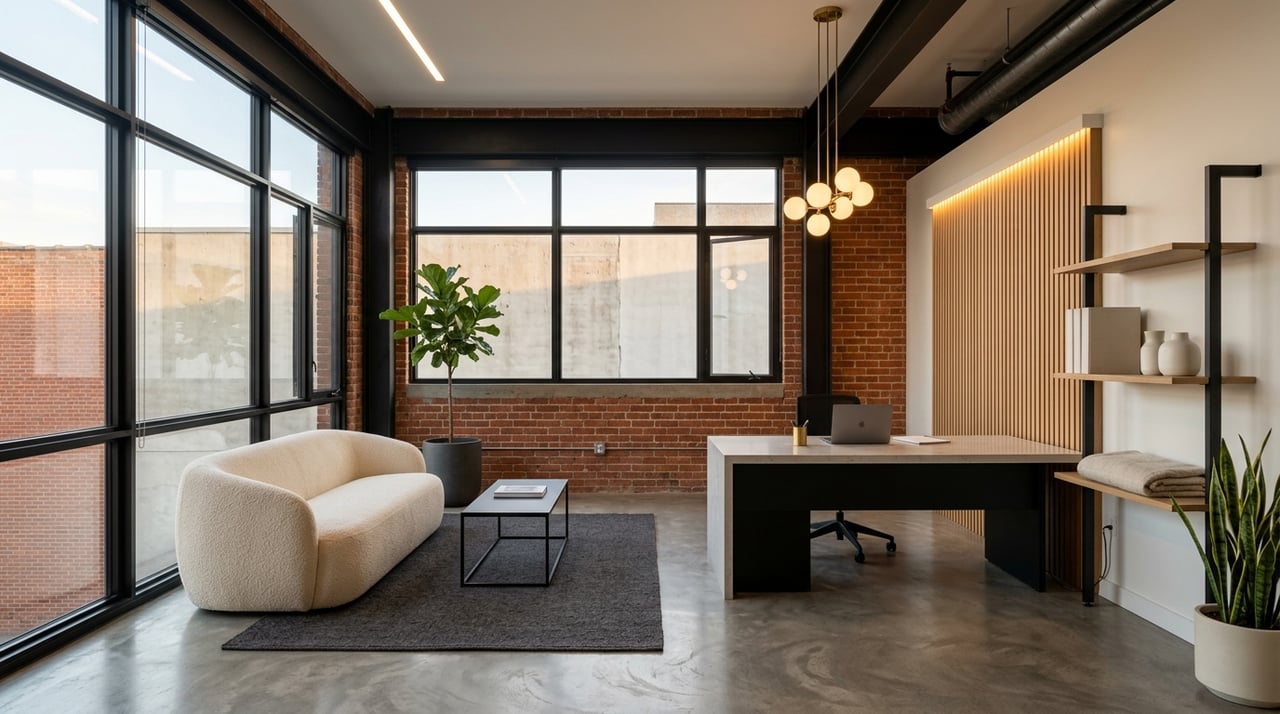
If you want a home that feels more like a creative studio than a traditional floor plan, West Midtown likely keeps showing up on your radar. That makes sense. This part of Atlanta blends industrial roots, adaptive reuse, and city connectivity in a way that gives loft and live-work living a distinct identity. In this guide, you’ll learn what these homes typically look like, how pricing is shaping up, and what to verify before you buy. Let’s dive in.
Why West Midtown Fits Loft Living
West Midtown is not just a collection of newer condos with exposed finishes. Its character is tied to rail corridors, former industrial buildings, and adaptive reuse along areas like Marietta Street, Howell Mill, and Huff Road. Regional and city planning materials describe the broader Upper Westside as a mix of historic buildings, loft housing, galleries, studios, restaurants, offices, light industry, and live/work spaces.
That background matters when you shop here. In many neighborhoods, “loft style” is mostly a design choice. In West Midtown, the industrial feel is often part of the area’s actual built history, which helps explain why the housing stock can feel more layered and visually interesting than a standard condo market.
What Loft Homes Usually Offer
If you are searching for a loft in West Midtown, you will usually see two broad categories. Some homes are older conversions with classic industrial details. Others are newer residences that borrow loft-inspired design features while offering more modern building systems and amenities.
In current listings across the Westside and West Midtown area, common features include open-concept layouts, high ceilings, floor-to-ceiling windows, large balconies, and flexible rooms that can work as an office. Some listings also show secure access, assigned or gated parking, storage, and amenity packages such as pools and fitness centers.
Older loft-style homes often bring the details many buyers want most, including exposed brick, factory-style windows, concrete structure, and soaring ceilings. Those features can create a more studio-like atmosphere, which is a big part of the appeal if you want something with personality rather than a more conventional layout.
Converted Loft Appeal
Converted lofts often stand out for texture and scale. You may find original materials, bigger window openings, and ceiling heights that are hard to replicate in newer construction. For buyers who care about architecture and atmosphere, that can be a major draw.
At the same time, older buildings may come with more variation from unit to unit. Renovation quality, storage, HVAC updates, sound transfer, and layout efficiency can differ widely, so it helps to look closely beyond the visual charm.
Newer Loft-Inspired Options
Newer condo communities often deliver a cleaner, more polished version of loft living. You may still get open plans and modern finishes, but with more predictable systems, structured parking, elevators, and amenity packages.
That can be a strong fit if you like the West Midtown lifestyle but want less guesswork around maintenance and building infrastructure. It may also appeal if you plan to work from home and want a space that feels urban without giving up day-to-day convenience.
How Live-Work Living Works in Atlanta
One of the biggest misconceptions in West Midtown is that any loft can automatically function as a business space. In Atlanta, live-work is not just a casual real estate label. It is a real zoning framework with rules attached.
The City of Atlanta says the Live-Work district is intended to support housing units with limited small-business activity from home, encourage redevelopment of underused industrial areas, and create pedestrian-oriented mixed-use districts. The city also requires a special administrative permit for LW districts before a building permit can be issued.
That means you should never assume a stylish loft is legally approved for the kind of work use you have in mind. If you are considering a unit for a studio, office, or another business-related use, confirm the zoning status, ask whether any special administrative permit applies, and review HOA rules before moving forward.
Questions to Ask About Live-Work Use
Before you make an offer, ask for clarity on these points:
- Is the property actually approved for live-work use?
- Has a special administrative permit been required or issued?
- What does the HOA allow or prohibit?
- Are there limits on client visits, signage, or business activity?
- Do building rules affect parking, deliveries, or access?
This step can save you time, money, and frustration later. A home office is one thing. A legally recognized live-work setup is another.
Connectivity Adds to the Lifestyle
Part of West Midtown’s appeal is how easily loft living connects to the city around it. The Westside Trail runs 3.2 miles from I-20 to W Marietta Street, and the Westside BeltLine Connector adds 1.7 miles from Downtown Atlanta into historic westside communities. BeltLine materials describe these routes as convenient to MARTA and close to parks, arts, retail, and neighborhood activity.
For buyers, that helps define the day-to-day experience. If you want a home where you can step out for a walk, connect to nearby destinations, and stay close to a mix of commercial and cultural activity, West Midtown checks a lot of boxes.
What Pricing Looks Like Right Now
West Midtown loft and condo pricing covers a wide range, which is one reason the area appeals to different types of buyers. Realtor.com’s April 2026 snapshot shows a broader Westside median listing price of $339,990. The same report shows zip-code medians of $385,000 in 30318, $369,000 in 30309, and $415,000 in 30324.
On the condo side, Redfin’s Westside page shows a median listing price of $249,000 and a typical market time of 91 days. That suggests smaller condo and loft options may still offer a more accessible entry point compared with other intown areas.
Current active inventory in the West Midtown area shows asking prices stretching from about $199,900 to more than $1.3 million. Looking specifically at active loft and condo examples around West Midtown, visible asking prices include $249,000, $275,000, $350,000, $424,900, $480,000, and $699,999.
Practical Price Bands for Buyers
Based on current active listings, a helpful working range looks like this:
- Entry-level compact condos or smaller loft-style units: about $200,000 to $300,000
- Mid-range renovated lofts and larger condo residences: about $350,000 to $600,000
- Premium corner units, larger lofts, and new construction: about $700,000 to $1 million+
These are not fixed rules. They are practical pricing bands based on what is currently on the market. The right target for you will depend on building type, size, updates, parking, amenities, and whether the layout truly works for your lifestyle.
What to Check During a Tour
Lofts can be exciting to tour because they often photograph beautifully and feel different right away. Still, this is a category where details matter. A striking industrial look does not always tell you how the home will function day to day.
When touring West Midtown lofts or live-work homes, focus on both style and function. Ask about recent renovations, HVAC age, elevator access, storage, parking, and sound. Also review what monthly HOA dues cover, since some buildings include utility-related costs or amenities that may affect your overall budget.
Smart Touring Checklist
Use this list as a starting point:
- Verify zoning and permitted use
- Confirm HOA rules for home office or business activity
- Ask about renovation history
- Check HVAC age and major system updates
- Look at storage options carefully
- Ask about parking type and number of spaces
- Consider elevator access if applicable
- Pay attention to street noise and shared-wall noise
- Review HOA dues and what they include
This is especially important in older conversions, where charm can come with more variation. Some units may have meaningful updates, while others may rely more heavily on original industrial features without the same level of modernization.
Who West Midtown Loft Living May Suit Best
Loft and live-work homes are not one-size-fits-all. They tend to work best if you value design, flexibility, and an urban setting over a more segmented suburban floor plan. If you work from home, want a creative-feeling space, or simply prefer architecture with more character, West Midtown can be a strong match.
It can also be a smart area to explore if you are relocating to Atlanta and want an intown lifestyle with a broad spread of price points. Because inventory spans from smaller entry-level condos to premium residences, the neighborhood can offer several paths into the market depending on your goals.
Final Thoughts on Buying in West Midtown
West Midtown stands out because loft living here feels connected to the area’s real history, not just a trend. Between adaptive reuse, urban trails, flexible floor plans, and a wide pricing range, you can find options that match very different budgets and lifestyles.
The key is to look past the aesthetics and confirm how a home actually functions for you. If you want help comparing buildings, understanding pricing, or narrowing down homes that fit your work-and-life needs, the Echeverry Escobar Team can help you navigate West Midtown with local insight and clear guidance.
FAQs
What makes West Midtown Atlanta loft living different from a regular condo?
- West Midtown lofts often reflect the area’s industrial and adaptive reuse history, with features like exposed brick, factory-style windows, concrete structure, high ceilings, and more flexible layouts.
What does live-work mean for a West Midtown Atlanta property?
- In Atlanta, live-work can refer to a specific zoning framework that allows housing with limited small-business activity, so you should verify legal use, permits, and HOA rules before assuming a property can be used for business purposes.
What price range should you expect for lofts in West Midtown Atlanta?
- Based on current active listings, smaller loft-style units may start around the low $200,000s, many mid-range options fall around $350,000 to $600,000, and premium units can reach $700,000 to $1 million or more.
What should you ask when touring a live-work home in West Midtown Atlanta?
- Ask about zoning, special administrative permits, HOA restrictions, renovation history, HVAC age, parking, storage, elevator access, noise, and what HOA dues include.
Is West Midtown Atlanta connected to trails and transit options?
- Yes. The Westside Trail and the Westside BeltLine Connector provide added connectivity, and BeltLine materials describe these routes as convenient to MARTA and close to parks, arts, retail, and neighborhood activity.